


The 2026 NFL season is exposing a major shift in the U.S. sports betting market. Americans are expected to wager about $29.5 billion through legal, state-regulated commercial sportsbooks during the NFL season, according to a September 4 estimate from the American Gaming Association. That figure is almost unchanged from the $29.4 billion wagered during the previous season, even as prediction markets are attracting more sports-related trading activity. For bettors following sportsbook market analysis, the emerging question is no longer simply which operator posts the strongest football menu. It is how regulated sportsbooks, offshore platforms, and event-contract exchanges now compete for the same sports audience.
That changing structure becomes particularly visible in states where conventional online sportsbooks remain unavailable. Hawaii still does not have a state-regulated sports betting market, despite repeated legislative attempts to establish one. Readers following Hawaii sports betting legislation updates are watching a state where lawmakers have debated licensing, taxation, enforcement, and responsible gambling measures without producing a live sportsbook market. Hawaii therefore illustrates why national betting growth cannot be understood solely through legal sportsbook handle.
NFL Sportsbook Growth Has Reached A Different Stage
The AGA’s $29.5 billion projection represents a striking change from the rapid expansion that followed the U.S. Supreme Court’s 2018 decision overturning the federal sports betting prohibition established under PASPA.
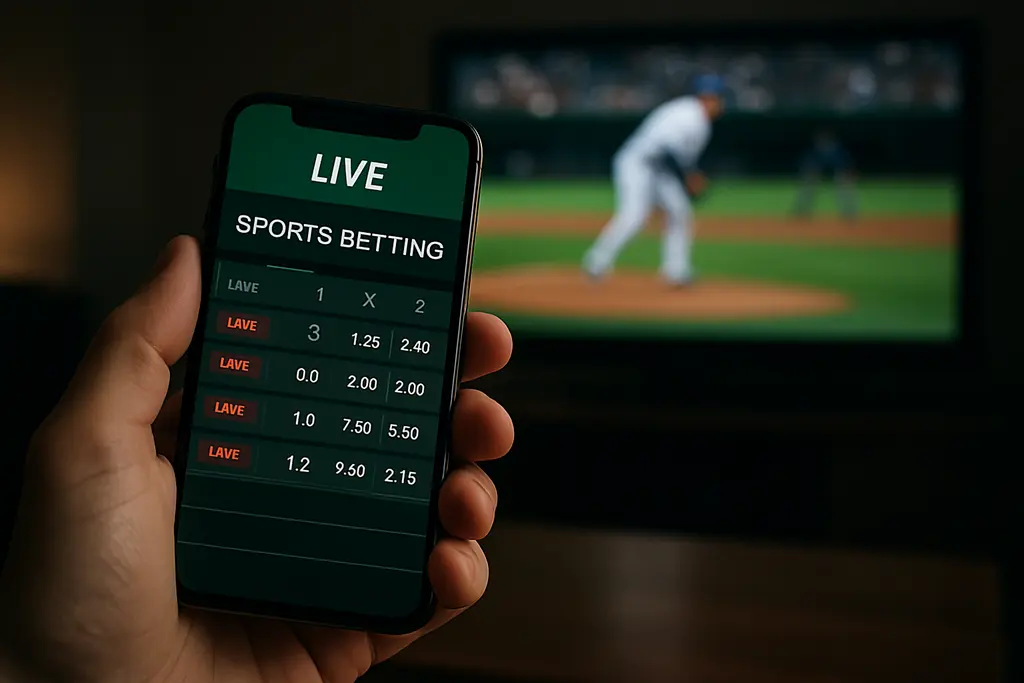
For several years, every new state launch expanded the legal sportsbook market. Operators gained customers as regulated mobile wagering reached additional jurisdictions, and NFL football became one of the largest drivers of sportsbook traffic.
The 2026 estimate suggests that this phase is becoming more mature. The projected legal NFL handle is only about $100 million higher than the previous season, effectively flat at the national level.
That does not mean interest in sports wagering has stopped growing.
Instead, some activity is moving into products that do not fit the traditional sportsbook definition. Prediction platforms now offer contracts tied to NFL outcomes alongside markets involving politics, economics, entertainment, and other events. The result is a broader competitive environment in which users may encounter sportsbook odds and exchange-style sports contracts while researching the same football game.
For conventional operators, that creates pressure to compete on more than promotions. Market depth, live betting performance, withdrawal speed, rules, account protections, loyalty programs, and product usability all become part of retaining customers.
Prediction Markets Are Competing For Football Activity
Prediction markets have become one of the largest structural challenges facing the sportsbook industry.
The American Gaming Association used unusually strong language in its September NFL forecast, describing sports event contracts offered through prediction platforms as a growing source of competition for regulated sportsbooks. The trade group represents the commercial gaming industry, so its characterization reflects an industry position rather than a neutral regulatory finding. The underlying competitive pressure is still significant: event-contract platforms are increasingly presenting sports outcomes in formats that can resemble familiar betting markets to consumers.
NFL opening weekend demonstrated the scale of interest. Industry reporting in September tracked billions of dollars in trading across major prediction platforms during football’s early-season surge.
The distinction lies in market structure.
A sportsbook establishes odds and accepts wagers against those prices. A prediction exchange generally allows participants to buy and sell contracts tied to a defined outcome. Prices move according to available supply, demand, liquidity, and trading activity.
For a user, the screens can appear similar. Both may present questions about who wins a football game or whether an event occurs.
The transaction underneath the screen can be quite different.
Sportsbook bettors need to assess the operator’s margin, limits, rules, settlement policies, and jurisdiction. Prediction-market users need to examine liquidity, contract wording, transaction costs, settlement sources, and the regulatory framework governing the exchange.
Hawaii Shows The Limits Of The State-By-State Model
Hawaii offers an especially useful example of how fragmented U.S. sports betting remains.
The state continues to prohibit conventional sports wagering. Hawaii is one of the few U.S. jurisdictions without a commercial gambling industry, and no state-licensed online sportsbook currently operates there. A legal-market overview updated in September 2026 confirms that regulated sports betting remains unavailable.
That status has not prevented lawmakers from debating legalization.
Recent proposals have attempted to create a mobile sports wagering framework with multiple operator licenses, regulatory oversight, taxation, and funding for problem gambling programs. Hawaii legislative records show that prior proposals contemplated oversight through state agencies and included licensing requirements for sportsbook operators and suppliers.
Those efforts show the complexity of moving from prohibition to regulation.
Lawmakers must decide who regulates the industry, how many licenses are available, how operators are taxed, what consumer protections apply, how responsible gambling programs are funded, and how enforcement works against unlicensed activity.
Until legislation becomes law and a regulated market launches, Hawaii residents do not have the same local sportsbook options available in states such as New Jersey, Ohio, Arizona, or Colorado.
That gap creates an environment where offshore sportsbooks and prediction markets receive additional attention from users looking at sports-based markets.
It does not mean those alternatives are equivalent to a Hawaii-regulated sportsbook. There currently is no such sportsbook.
Offshore Sportsbooks Occupy Another Part Of The Market
Offshore sportsbooks create a third structure in this increasingly complicated market.
These operators generally conduct business under licensing or registration arrangements outside the U.S. state regulatory system. They may offer NFL spreads, totals, moneylines, props, futures, live betting, and international sports menus.
Their legal and regulatory structure differs from both state-licensed sportsbooks and federally overseen prediction exchanges.
That difference matters for users evaluating withdrawals, dispute procedures, identity verification, responsible gambling tools, account limits, and market rules.
An offshore sportsbook might provide a deeper football menu than a particular state operator. That market breadth does not create the same consumer recourse a bettor receives from a U.S. state gaming regulator.
Users should examine the operator’s licensing jurisdiction, history, withdrawal policies, terms, security procedures, and complaint record before funding an account.
No platform type should be evaluated solely through the size of its market menu.
Pricing Alone No Longer Provides A Complete Comparison
Sportsbook comparison traditionally begins with price.
If one operator posts -105 while another posts -115 on the same outcome, the lower margin may offer better theoretical value for that specific wager.
The modern comparison is more complicated.
A sportsbook may have a competitive pregame line but fewer live markets. Another may provide deeper props but impose lower limits. An offshore operator may cover additional events but provide different dispute protections. A prediction exchange may display an attractive contract price but lack enough liquidity for a larger transaction.
Users should evaluate several layers at once:
- pricing and market margin;
- market depth and live availability;
- liquidity where exchange trading is involved;
- settlement and void rules;
- withdrawal procedures;
- regulator or licensing jurisdiction;
- responsible gambling controls;
- dispute and complaint mechanisms.
This is why the convergence of sportsbooks and prediction markets matters so much. A simple odds comparison increasingly compares only one part of the product.
Regulation Is Becoming A Competitive Feature
Regulation is often treated as a legal background issue, but it directly affects product design.
State sportsbooks operate under rules covering licensing, age verification, geolocation, advertising, responsible gambling, account complaints, and permitted wagering markets.
Prediction markets operate within a federal commodities structure, though states continue to challenge the offering of sports contracts within their borders.
Offshore operators function under another set of licensing and jurisdictional arrangements.
These differences affect what users can access and what remedies may exist if a disagreement develops.
Recent disputes involving prediction markets have made those questions more visible. States including Connecticut and Missouri have taken action against sports event contracts, while federal litigation continues over the extent to which commodities regulation may preempt state gambling law. September reporting shows that this regulatory conflict remains active rather than settled.
For operators, regulation may become part of the competitive product itself.
Clear rules, transparent settlement standards, meaningful account controls, responsible gambling features, and accessible dispute procedures can matter as much as adding another dozen prop markets.
Football Season Will Test All Three Models
NFL football creates an unusually effective stress test for wagering platforms.
Games produce enormous bursts of activity around injury news, kickoff, scoring plays, halftime, and late-game situations. Pregame markets must absorb new information efficiently. Live systems need to update quickly without producing confusing prices. Payments infrastructure must handle heavy transaction volume.
Prediction exchanges face their own test: sufficient liquidity must exist for users to enter and exit positions at reasonable prices.
Offshore sportsbooks must demonstrate that their market depth, platform stability, account servicing, and withdrawal systems work under heavy demand.
State-regulated books must balance competitive products with the compliance obligations attached to their licenses.
The 2026 NFL season is therefore testing much more than which company posts the most markets.
It is testing which market structure users understand and trust.
Why Sportsbook Comparison Is Becoming More Complicated
The flat legal NFL handle projected by the AGA does not mean U.S. interest in wagering has reached a ceiling. It may indicate that sports-based financial activity is being distributed across a larger number of product categories.
Regulated sportsbooks remain the primary legal sports wagering channel in states that authorize them. Prediction markets are capturing attention through exchange-based event contracts. Offshore sportsbooks remain part of the broader market for users researching operators beyond state-regulated options.
Hawaii demonstrates why this distinction matters.
A state without regulated sportsbooks can still have residents exposed to national advertising, prediction products, offshore websites, and constant discussion about NFL markets. Legislative proposals may eventually change Hawaii’s position, but until that happens, the state remains an example of the gaps created by America’s jurisdiction-by-jurisdiction approach.
For bettors, the safest comparison starts by identifying what type of platform they are actually evaluating.
Odds are only one factor. Regulation, liquidity, settlement terms, withdrawals, user protections, and jurisdiction can determine whether two seemingly similar football markets are genuinely comparable.