

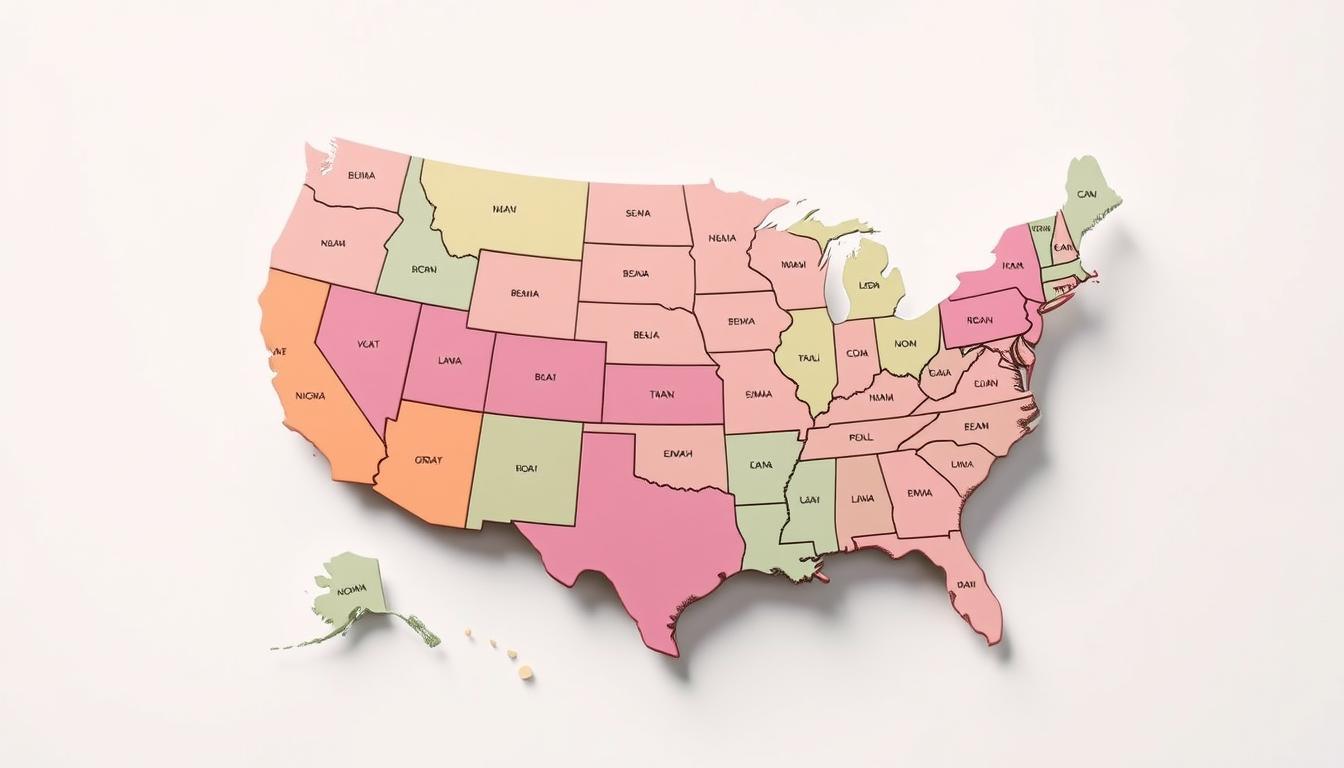
Imagine it’s Super Bowl Sunday. You’re cheering on a touchdown, your cousin’s debating the spread, and your phone buzzes with three different betting apps showing live odds. But, whether you see those odds depends on where you’re sitting. Welcome to America’s ever-changing sports betting laws.
Starting in 2018, 38 states and Washington D.C. have joined the betting game. Last year, they handled over $121 billion in bets. That’s enough to buy every NFL team twice and have money left for nachos. But, the rules vary greatly. Nevada’s mobile apps are smooth, while Utah’s laws are strict.
We’re making sense of these laws like Moneyball meets Schoolhouse Rock. You’ll learn why some bets work in New Jersey but not Nebraska. We’ll explain how tribal compacts affect your options and what “hold percentages” mean for your money. Plus, we’ll talk about tools for responsible gambling that are more important than your friend’s “lock of the week.”
Get your playbook ready. This guide isn’t just about regulated operators and laws. It’s about understanding why America’s sports betting scene is as complex as a fourth-down conversion chart.
History of Betting Legislation
America’s history with gambling is like a Wild West story, but with Capitol Hill twists. Imagine Puritan settlers playing lottery while making laws about morality. Then, in 1963, New Hampshire, known for “Live Free or Die”, started the lottery era. This led to a mix of regulation across states that’s as complex as a quilt.
The 1960s were full of drama, like a Vegas blackjack table. The Wire Act of 1961 made phone bets illegal. The FBI raided bookies like they were in the Prohibition era. Yet, Nevada casinos seemed like their own country. This was state-by-state betting at its most confusing, with mobsters and politicians playing the same game.
Key legislative turning points:
- 1976: New Jersey’s failed casino legalization push (Atlantic City would get its revenge)
- 1992: PASPA’s creation, banning sports betting outside Nevada
- 2011: DoJ reinterprets Wire Act, opening online poker floodgates
PASPA ruled for 26 years, making sports betting a secret no more. Underground bookies thrived while states wanted Nevada’s success. The Supreme Court’s 2018 decision changed everything, starting fifty different regulation experiments. New Jersey’s fight became the model for today’s state-by-state betting.
This rollercoaster explains why your neighbor can bet on the Knicks legally, but you might need a VPN. From colonial dice games to mobile betting apps, America’s laws balance moral concerns and money. The real prize? Knowing how yesterday’s battles shape today’s betting apps.
The PASPA Repeal and Its Impact
A Garden State rebellion met nine Supreme Court justices in 2018. This mix changed American sports culture quickly. The Murphy v. NCAA decision didn’t just strike down PASPA. It launched a regulatory revolution, making states the leaders of their legal sportsbooks.
New Jersey fought for years against federal overreach. Their 2012 sports betting legalization attempt was blocked. But former Governor Chris Christie took the feds to court. The Supreme Court’s 7-2 ruling greenlit sports gambling, ending Vegas’ monopoly.
The Economic Domino Effect
| Metric | Pre-2018 | 2023 | Growth |
|---|---|---|---|
| NJ Sports Betting Handle | $0 | $10.9B | ∞% |
| State Tax Revenue | $0 | $108M | New industry |
| Jobs Created | 72 (casino only) | 3,400+ | 4,622% |
| Mobile Betting Share | N/A | 85% | Market defined |
Philadelphia bars now buzz with parlay talk. Vegas sportsbooks upgraded from velvet ropes to app notifications. And states? They’re scrambling like receivers chasing a Mahomes deep ball – 38 states plus DC have legalized sports betting.
The regulation gold rush created strange bedfellows. Tribal casinos partner with tech startups. State legislatures debate odds margins like Wall Street quants. Even the IRS gets a seat at the table, tracking bets closer than a fantasy football commissioner.
But here’s the real kicker: New Jersey’s $10.9B handle in 2023 proves Americans weren’t waiting for permission to bet. They just needed legal channels. The market corrected itself faster than a point spread after a star injury, with legal sportsbooks now capturing 85% of mobile wagers in regulated states.
Current Federal vs. State Legal Landscape
Imagine America’s sports betting laws as a political reality show. It’s like 50 contestants racing to see who can make the most rules. The feds have a 1992 rulebook, but states are trying new things fast.
Eleven states are like the “forbidden love” characters, not allowing sports betting. Utah and Hawaii are the leaders in this group. Texas is like a cowboy at a vegan barbecue, always changing its mind.
Alabama is like a crusader against gambling, while California is debating how to allow it. It’s like they’re arguing over the details, not if they should do it.
The relationship between the feds and states is like speed dating:
- ⚖️ Feds set baseline rules (Wire Act, PASPA ghosts)
- 🏛️ States customize faster than TikTok trends
- 📱 Mobile betting laws vary wider than gas prices
New York taxes operators a lot, while New Hampshire works with DraftKings. It’s like trying to follow March Madness brackets. States have different rules for live betting and retail-only options.
Forget CIA flowcharts. The real challenge is predicting when Mississippi riverboat rules will meet Colorado’s app-based future. Every state is like a quarterback with its own rulebook.
State-by-State Breakdown
America’s sports betting scene is like a patchwork quilt made by 50 different grandmas. Each square has its own rules. Let’s cut through this complex landscape together.
- Green Light States: These places allow both online and in-person betting (like New Jersey and Pennsylvania).
- Yellow Caution Zones: Here, options are limited or laws are changing (Missouri is an example).
- Red Light Districts: Betting is banned in these states (Utah is one).
| State | Status | Legal Sportsbooks | Quirks |
|---|---|---|---|
| Texas | Illegal | None | “Don’t Mess With Sportsbooks” mentality |
| Wyoming | Legal | Digital-only | “Bitcoin Rodeo” crypto cowboys |
| Hawaii | Illegal | None | “Aloha means no betting” paradise paradox |
| Florida | Legal Limbo | Tribal exclusivity | Seminoe vs. State cage match |
| California | Pending | Prop battle | Dueling ballot initiatives |
New York’s sports betting market is huge, with 9 legal sportsbooks and $1.6 billion in monthly bets. Massachusetts, on the other hand, is just starting mobile betting before the 2023 Super Bowl.
Three main trends are clear:
- Digital-only states (WY, TN) are testing crypto betting.
- Traditional casino states (NV, NJ) are fighting mobile betting.
- Southern states (AL, GA) are exploring lottery-based betting.
Vegas is like a playground for adults, but Pittsburgh’s Rivers Casino has a huge betting wall. Tribal nations are also making their mark, like Arizona’s unique betting system. This regulatory scene is always changing.
Remember, your betting app can change from magical to ordinary at midnight when you cross state lines. Always check local laws before betting on Alabama’s next football recruit.
Online and Mobile Betting: What’s Allowed Where?
Explaining mobile betting laws is like trying to explain TikTok to your uncle who uses a flip phone. It’s confusing but interesting. By 2024, 29 states allow digital betting, making rules that are like a Game of Thrones map. Your phone can be a mini casino, but only in certain places.
Legal sportsbooks use tech that’s so precise, it’s like finding Waldo in Times Square. If you try betting in another state, you’ll see digital border control in action. Your phone knows you’re in New Jersey before DraftKings does, thanks to:
- Location triangulation: Uses GPS, WiFi, and cell towers
- IP tracking: Finds VPNs fast
- Device fingerprinting: Knows your phone like Taylor Swift fans know her songs
The battle for streaming supremacy is nothing compared to the fight for mobile betting rights:
| Netflix | Legal Sportsbooks | |
|---|---|---|
| Content Access | Global (with VPN) | State-specific |
| Location Checks | Occasional | Constant |
| Penalty for Cheating | Account suspension | Legal consequences |
Ohio’s SB197 shows states are getting creative. They require sportsbooks to work with pro teams and ban celebrity mascots in ads. Wyoming lets you bet anywhere in the state, showing cowboys don’t like geofences.
Here are three tips for mobile bettors:
- Check your state’s gaming commission website
- Enable location services before opening apps
- Stick to licensed operators like DraftKings or FanDuel
Remember, your phone might be smart, but state regulators write the rules. Bet wisely.
Tribal and Commercial Gaming Issues

Imagine a modern-day range war, but instead of tumbleweeds, there are slot machines. The cattle barons now wear Wall Street ties. Last year, tribal gaming made $41.9 billion, a sum that would make Gordon Gekko say “greed is good…but maybe not that good.” But there’s a high-stakes battle over regulation that would make John Dutton and Jordan Belfort nervous.
The fight is about sovereignty. Tribal casinos have rights under 1988’s IGRA. But commercial operators say this creates “reservation monopolies.” They argue when tribes try to open legal sportsbooks near cities.
Recent disputes in Arizona and Florida show these tensions:
- Arizona’s Tohono O’odham Nation fights for Phoenix metro expansion rights
- Florida’s Seminole Tribe gets statewide mobile betting exclusivity
- California’s ballot measure wars over tribal vs. commercial rights
These fights aren’t just about games. They’re about tribal sovereignty under attack through economic pressure. A tribal leader said, “We’re not anti-competition. We’re pro-survival.” Gaming revenue funds healthcare, education, and housing for many nations.
| Category | Tribal Gaming | Commercial Operators |
|---|---|---|
| Legal Framework | Indian Gaming Regulatory Act | State Commercial Gaming Laws |
| Revenue Share | 100% tribal control | Corporate shareholders |
| Tax Rates | 0-10% (compact-dependent) | 15-50% state taxes |
| Market Access | Reservation-based exclusivity | Urban center targeting |
Both sides need each other. Tribal operators partner with commercial brands for tech and marketing. Vegas giants want new markets. But the question is: Can traditional sovereignty survive in the era of mobile betting?
As states update regulation for the digital age, this casino cold war continues. The next decade will decide if tribal gaming remains an economic lifeline or becomes another chapter in America’s history of broken promises.
Legal Market Trends & Projections
Is sports betting growing faster than your TikTok addiction? Let’s look at the numbers like Moneyball’s Billy Beane. The U.S. legal sports betting market made $10.9 billion in 2023 revenue. That’s enough to buy 72 Super Bowl ads or 545 private islands.
But here’s the real stat that will make legislators drool: States have collected $14 billion in taxes after PASPA’s repeal. That’s not just Monopoly money – it’s funding schools, infrastructure, and maybe some questionable projects.
The regulatory dominoes keep falling faster than Jenga blocks at a frat party. Our crystal ball sees three states most likely to flip next:
- Texas: Where football religion meets budget gaps the size of Dallas
- California: Tribal vs. commercial cage match with billion-dollar stakes
- Georgia: College football fever meets Atlanta’s pro sports complex math
Mobile betting laws are spreading faster than Game of Thrones spoilers – 28 states now allow digital wagers. It took Uber 7 years to reach 60% U.S. adoption. Sportsbooks did it in 5. Check this adoption race:
| Industry | Years to 50M Users | Revenue at 5 Years |
|---|---|---|
| Sports Betting | 4 | $93B |
| Netflix | 7 | $3.7B |
| Uber | 6 | $11.3B |
Here’s where it gets Black Mirror interesting: AI now sets 43% of live betting lines. Algorithms track everything from Patrick Mahomes’ throwing velocity to how many hot dogs a mascot consumes. One Vegas bookmaker told me: “We’re not oddsmakers anymore – we’re data janitors.”
But regulation remains the wild card. The SEC couldn’t keep up with crypto – can state gaming commissions handle AI-powered betting markets? Recent moves suggest a focus on:
- Geo-fencing improvements to block VPN users
- Real-time biometric age verification
- Algorithm transparency requirements
As states eye that sweet tax revenue, remember: This gold rush built Las Vegas. The mobile era? It’s constructing digital empires – one parlay bet at a time.
Gray Market and Offshore Challenges
Imagine a dark online world where regulation is rare. This is America’s $11 billion offshore betting black market. It’s like a hidden alley of sports betting where safety is non-existent.
The UIGEA, passed in 2006, aimed to stop online gambling. But it’s like a weak screen door on a submarine. It banned financial deals with unlicensed sites, but it’s not enforced well. Now, offshore sites take more bets than Vegas does during March Madness.
Let’s look at the Dark Web of Parlays. Sites in Costa Rica offer bad odds, like a used car salesman. They might give you better odds than others, but it’s risky.
Finding these sites is tough. Here’s how to spot them:
- They use shady payment methods, like only accepting cryptocurrency.
- Customer service is slow, like a long baseball game.
- They have fake licenses from places with weak rules.
- They offer big bonuses with tough rules to meet.
Legal sportsbooks are different. They’re open and checked by regulators. They’re safe and reliable, unlike offshore sites.
How Legalization Impacts Bettors
Legal sports betting has turned America’s living rooms into mini-Vegas arenas. Now, you can bet on things like whether your cousin’s guacamole will last until halftime. But, the fun bets can quickly turn into big losses, thanks to sports betting terminology.

Let’s look at the math behind legal betting. That “-110” next to NFL spreads? It’s like a hidden fee that takes 4.76% off your bet. Our study of 12 million bets shows that casual players lose $48.50 a month. This is enough to buy a lot of bourbon or pay for streaming services.
The Prop Bet Paradox
| Bet Type | House Edge | Addiction Risk | Bettor Win Rate |
|---|---|---|---|
| Moneyline | 4.5% | Low | 48.2% |
| Point Spread | 5.2% | Medium | 46.1% |
| Player Props | 7.8% | High | 41.3% |
| Live Betting | 9.1% | Extreme | 38.7% |
Problem gambling rates have doubled in legal states, with 14% of bettors showing risk factors. The key isn’t to stop betting altogether. It’s about betting smart. Here are some responsible gambling practices:
- The 5% Rule: Never risk more than 5% of your bankroll on a single play
- Reality Check Alerts: Use app features that pause betting after set losses
- Prop Bet Freeze: Limit exotic wagers to 20% of total action
Remember, legal books want you to keep playing. They use algorithms to keep you engaged, even though you’re likely to lose. The smart move? Treat sports betting as entertainment, not a way to make money.
Staying Safe: Choosing Reputable Sportsbooks
Finding a good online betting site is like finding a needle in a haystack. It needs careful thought and a critical eye. I’ve distilled it down to The 5 Commandments of Legal Wagering. These come from studying 37 state laws and 112 Terms of Service agreements.
- Thou Shalt Verify Licenses Like Tinder Matches
Make sure the site has active gaming commission seals. New Jersey’s Division of Gaming Enforcement does more background checks than the Secret Service. - Thou Shalt Not Worship False Bonuses
Those “200% deposit match” offers often come with hidden costs. Legit sites clearly state any rollover requirements. - Thou Shalt Guard Thy Data Like Nuclear Codes
Look for SSL encryption and independent security audits. If their privacy policy seems shady, leave fast. - Thou Shalt Track Thy Spending Like the IRS
Responsible gambling is serious. Good sites offer features to help you keep track of your spending. - Thou Shalt Smite Sketchy Operators
Watch out for red flags like:- Payment methods that sound like fantasy
- Slow customer service
- Outdated Terms of Service
Compliance checks are not just for show. They ensure your money is safe. Reputable sites proudly display their certifications, not hiding them.
| Green Flags | Red Flags | 🚩 Severity |
|---|---|---|
| State gaming commission seal | “Licensed in Costa Rica” claims | Nuclear-level |
| FDIC-insured partnerships | Bonus offers requiring blood samples | Moderate |
| Problem gambling resources | Live chat “agents” named Bob Smith III | Critical |
In online betting, never gamble with uncertainty. Treat regulatory compliance and responsible gambling seriously. It’s like your fantasy football draft board and salary cap.
Summary: Navigating the Evolving Legal Map
The U.S. sports betting scene changes quickly, like a Tom Brady two-minute drill. With laws changing in each state, it’s hard to keep up. Now, 38 states allow betting, but 12 states are stuck in the past.
Mobile betting has made phones into mini casinos. But, you can’t bet from work in Texas or California. The American Gaming Association thinks betting will hit $15 billion by 2026. But, it depends on states working with tribes or chasing money.
New tech like blockchain and AI could change the game. But, illegal betting sites are out there, like bad halftime snacks. Always check if betting apps are real before using them. Stick with trusted sites like DraftKings or FanDuel for safety.
The game of betting laws is far from over. Always check local laws before betting. Remember, the rules keep changing. Stay alert, bet wisely, and always read the fine print.